
Debate Topics
1. Animal testing: Should animal testing be banned for cosmetic and medical purposes?
2. Ethical considerations: Discuss the ethical implications of using animals for testing.
3. Alternatives to animal testing: Explore alternative methods and their effectiveness.
4. Social media: Does social media have a positive or negative impact on society?
5. Mental health effects: Discuss the impact of excessive social media use on mental well-being.
6. Connectivity and activism: Explore how social media can facilitate connections and promote social causes.
7. Capital punishment: Should capital punishment be abolished worldwide?
8. Human rights: Discuss the right to life and whether the death penalty violates it.
9. Deterrence and justice: Explore arguments related to deterrence and retribution in the criminal justice system.
10. Genetically modified organisms (GMOs): Are GMOs beneficial or harmful?
11. Food security and production: Discuss the potential benefits of GMOs in addressing food scarcity.
12. Health and environmental concerns: Explore the potential risks and long-term effects of GMOs.
13. Online privacy: Should individuals have the right to complete online privacy?
14. Security versus privacy: Discuss the balance between protecting national security and individual privacy rights.
15. Data breaches and surveillance: Explore the implications of data breaches and surveillance on personal privacy.
16. Euthanasia: Should euthanasia be legalized as a choice for terminally ill patients?
17. Autonomy and compassion: Discuss the right to die with dignity and individual autonomy.
18. Ethical considerations: Explore potential concerns about abuse and slippery slope arguments.
19. Space exploration: Is space exploration a worthwhile investment?
20. Scientific advancements: Discuss the potential scientific discoveries and technological innovations resulting from space exploration.

21. Allocation of resources: Explore the opportunity cost of investing in space exploration versus other pressing global issues.
22. Climate change: Are human activities the primary cause of climate change?
23. Scientific consensus: Discuss the overwhelming evidence supporting human-induced climate change.
24. Mitigation and adaptation: Explore strategies to address climate change and its impacts.
25. Vaccinations: Should vaccination be mandatory for all individuals?
26. Public health and herd immunity: Discuss the importance of vaccinations in preventing the spread of diseases.
27. Individual rights and autonomy: Explore arguments related to individual freedom of choice and parental rights.
28. Nuclear energy: Is nuclear energy a safe and sustainable alternative to fossil fuels?
29. Energy production and carbon emissions: Discuss the potential benefits of nuclear energy in reducing greenhouse gas emissions.
30. Safety concerns and waste disposal: Explore the risks associated with nuclear accidents and long-term storage of nuclear waste.
31. Universal basic income: Should governments implement a universal basic income for all citizens?
32. Poverty alleviation: Discuss how a basic income could address poverty and income inequality.
33. Economic implications: Explore the potential impact on the economy, taxation, and labor market.
34. Cultural appropriation: Is cultural appropriation a form of appreciation or exploitation?
35. Respect and cultural preservation: Discuss the importance of respecting cultural traditions and avoiding commodification.
36. Cultural exchange versus appropriation: Explore the boundaries between cultural appreciation and appropriation.
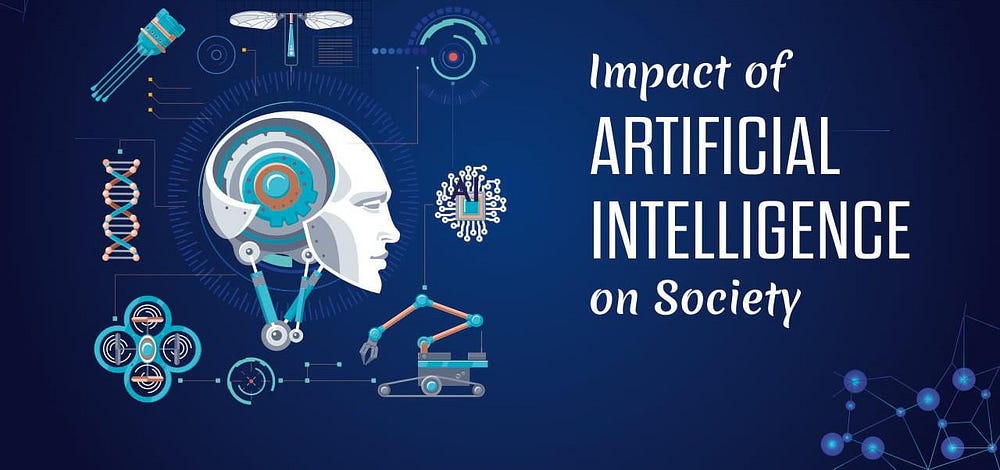
37. Artificial intelligence: Will artificial intelligence have a positive or negative impact on society?
38. Automation and job displacement: Discuss the potential effects of AI on employment and the economy.
39. Ethical considerations: Explore concerns related to privacy, bias, and control of AI systems.
40. Nuclear weapons: Should nuclear weapons be completely abolished worldwide?
41. Global security: Discuss the potential risks and consequences of nuclear proliferation.
42. Disarmament and arms control: Explore efforts to reduce and eliminate nuclear weapons.
43. Healthy lifestyle choices: Are individuals solely responsible for their own health?
44. Personal responsibility: Discuss the importance of making healthy choices and adopting positive behaviours.
45. Societal factors: Explore the impact of social determinants of health and access to healthcare.
46. Cultural diversity in media: Should media representation reflect the cultural diversity of society?
47. Inclusivity and representation: Discuss the importance of diverse representation in media for social inclusion.
48. Stereotypes and misrepresentation: Explore the potential negative effects of perpetuating stereotypes in media.
49. Freedom of speech: Should there be limitations on freedom of speech?
50. Hate speech and incitement: Discuss the balance between free expression and protecting individuals from harm.
51. Censorship and government control: Explore concerns related to censorship and suppression of dissenting voices.
52. Privacy versus security: Should governments have access to individuals’ private communications for security purposes?
53. National security and counterterrorism: Discuss the need for surveillance to prevent potential threats.
54. Individual privacy rights: Explore the importance of protecting personal privacy and civil liberties.
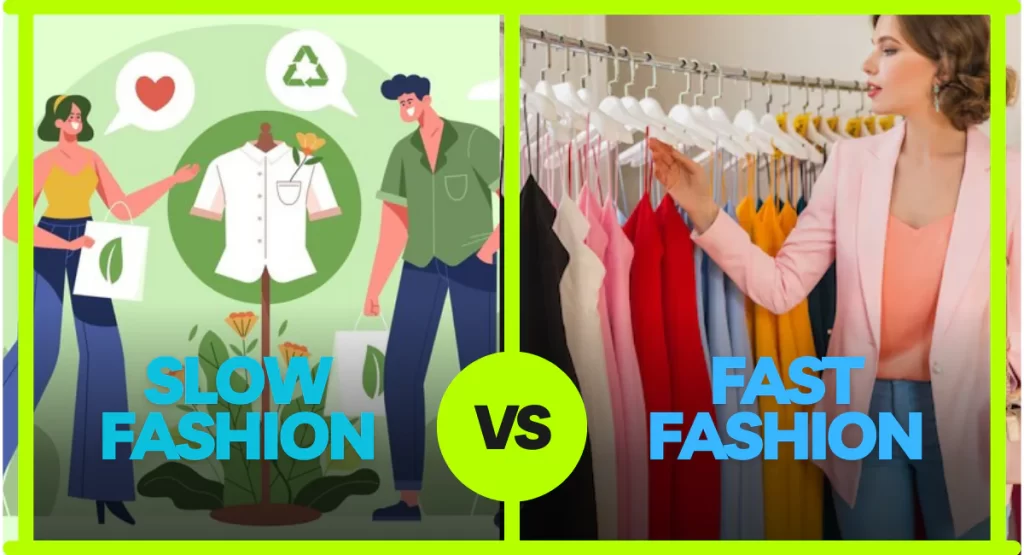
55. Sustainable fashion: Is sustainable fashion the future of the industry?
56. Environmental impact: Discuss the consequences of fast fashion and the importance of sustainable practices.
57. Ethical considerations: Explore issues of fair trade, labor rights, and responsible production.
58. Social inequality: Is the gap between the rich and the poor widening?
59. Income distribution: Discuss the growing income disparities and their implications for society.
60. Social mobility and equal opportunities: Explore strategies to address social inequality and promote fairness.
61. Video games and violence: Do violent video games contribute to real-life aggression?
62. Psychological effects: Discuss studies examining the potential link between violent video games and aggression.
63. Individual responsibility: Explore the role of parental guidance and personal responsibility in media consumption.
64. Privacy in the digital age: Is privacy still achievable in today’s digital world?
65. Data breaches and surveillance: Discuss the potential risks and challenges related to maintaining personal privacy online.
66. Encryption and online security: Explore the role of encryption and protective measures in safeguarding privacy.
67. Energy sources: Should renewable energy sources be prioritized over fossil fuels?
68. Climate change and sustainability: Discuss the importance of transitioning to cleaner energy sources.
69. Economic considerations: Explore the potential benefits and challenges of renewable energy adoption.
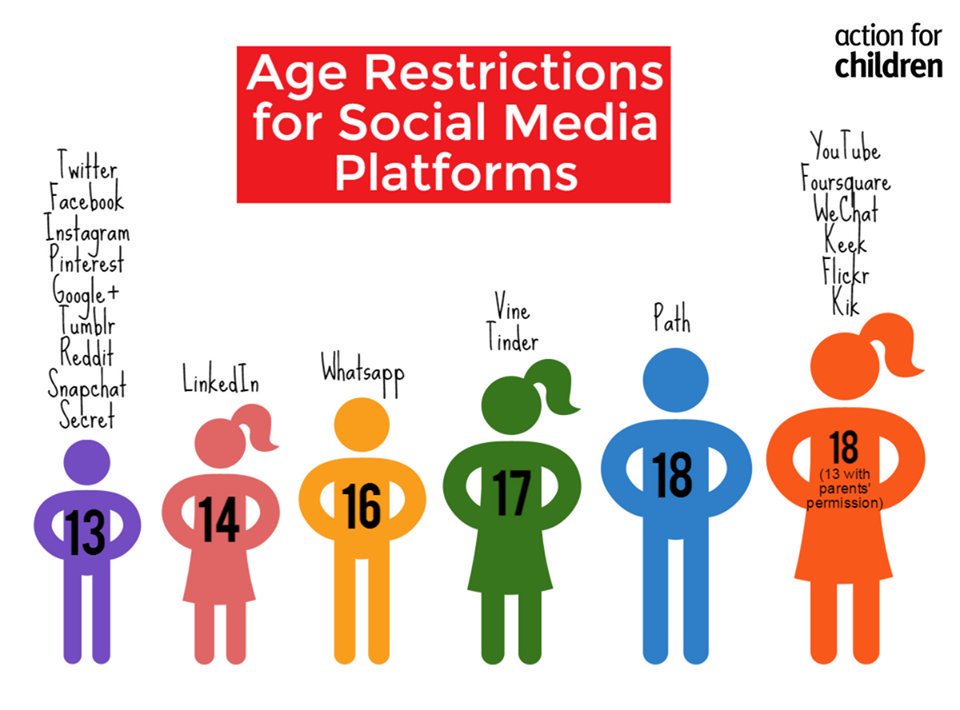
70. Age restrictions on social media: Should there be age restrictions on accessing social media platforms?
71. Online safety and child protection: Discuss concerns related to cyberbullying, online predators, and exposure to inappropriate content.
72. Digital literacy and responsible use: Explore strategies to educate young users about safe and responsible online behaviour.
73. Artificial intelligence in education: Should AI play a significant role in the classroom?
74. Personalized learning: Discuss the potential benefits of AI in adapting education to individual student needs.
75. Teacher-student relationship: Explore concerns related to the impact of AI on human interaction and the role of educators.
76. Reality television: Does reality TV have a positive or negative influence on society?
77. Entertainment versus exploitation: Discuss the ethical implications of reality TV shows and their impact on participants.
78. Media responsibility: Explore the responsibility of producers and networks in promoting ethical content.
79. Cultural preservation versus modernization: Should traditional cultural practices be preserved or adapted to modern times?
80. Cultural heritage: Discuss the importance of preserving cultural traditions and historical practices.
81. Social progress and changing norms: Explore the need for cultural adaptation to reflect societal changes and inclusivity.
82. Access to healthcare: Is healthcare a fundamental human right?
83. Equality and social justice: Discuss the importance of ensuring equal access to healthcare for all individuals.
84. Economic considerations: Explore the challenges and potential solutions to providing affordable and accessible healthcare.
85. Genetic engineering: Should genetic engineering be used to modify human DNA?
86. Medical advancements: Discuss the potential benefits of genetic engineering in treating genetic disorders and diseases.
87. Ethical concerns: Explore the ethical implications of altering human DNA and potential long-term consequences.
88. Internet censorship: Should governments have the authority to censor online content?
89. Protecting citizens: Discuss the role of censorship in preventing harmful content, misinformation, and cybercrimes.
90. Freedom of expression: Explore concerns related to limiting access to information and suppressing free speech.
91. Internet addiction: Is excessive internet use a growing problem among youth?
92. Legalization of recreational marijuana: Should marijuana be legalized for recreational use?
93. Public transportation: Should public transportation be free for all citizens?
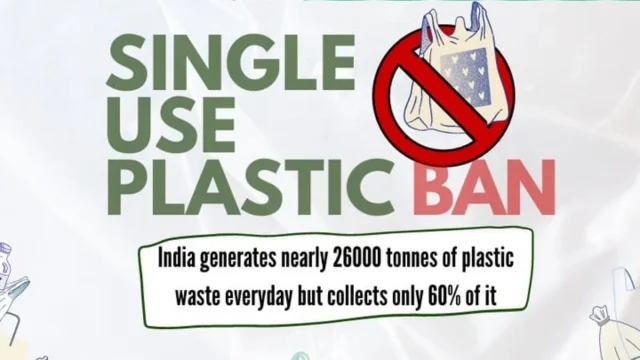
94. Plastic waste: Should single-use plastics be banned?
95. Cultural assimilation: Should immigrants be expected to assimilate into the dominant culture?
96. Reality versus virtual reality: Is virtual reality a better form of entertainment than traditional reality?
97. Online learning: Is online learning as effective as traditional classroom learning?
98. Gun control: Should there be stricter gun control laws?
99. Body image and media: Does media promote unhealthy body image ideals?
100. Animal rights: Should animals have the same rights as humans?
101. Death penalty: Is the death penalty an effective deterrent to crime?
102. Renewable energy subsidies: Should governments provide subsidies for renewable energy sources?
103. Genetic cloning: Is human cloning ethically acceptable?
104. Technology addiction: Is technology addiction a serious issue in society?
105. Consumerism: Does consumerism contribute to environmental degradation?
106. Voting age: Should the voting age be lowered to 16?
107. Privacy in the digital age: Is privacy a thing of the past in the digital era?
108. Affirmative action: Is affirmative action still necessary in today’s society?
109. Parental control software: Should parents use monitoring software to track their children’s online activities?
110. Healthy school lunches: Should schools provide healthier food options for students?
111. Censorship in the arts: Should certain forms of art be censored for explicit or controversial content?
112. Space tourism: Is space tourism a positive development?
113. Animal captivity: Should animals be kept in captivity for entertainment purposes?
114. Youth participation in politics: Should the voting age be lowered to 16 to encourage youth engagement in politics?
115. Social media influencers: Do social media influencers have a positive or negative impact on society?
116. Income inequality: Should there be a maximum wage limit to address income inequality?
117. Cyberbullying: Should cyberbullying be treated as a criminal offense?
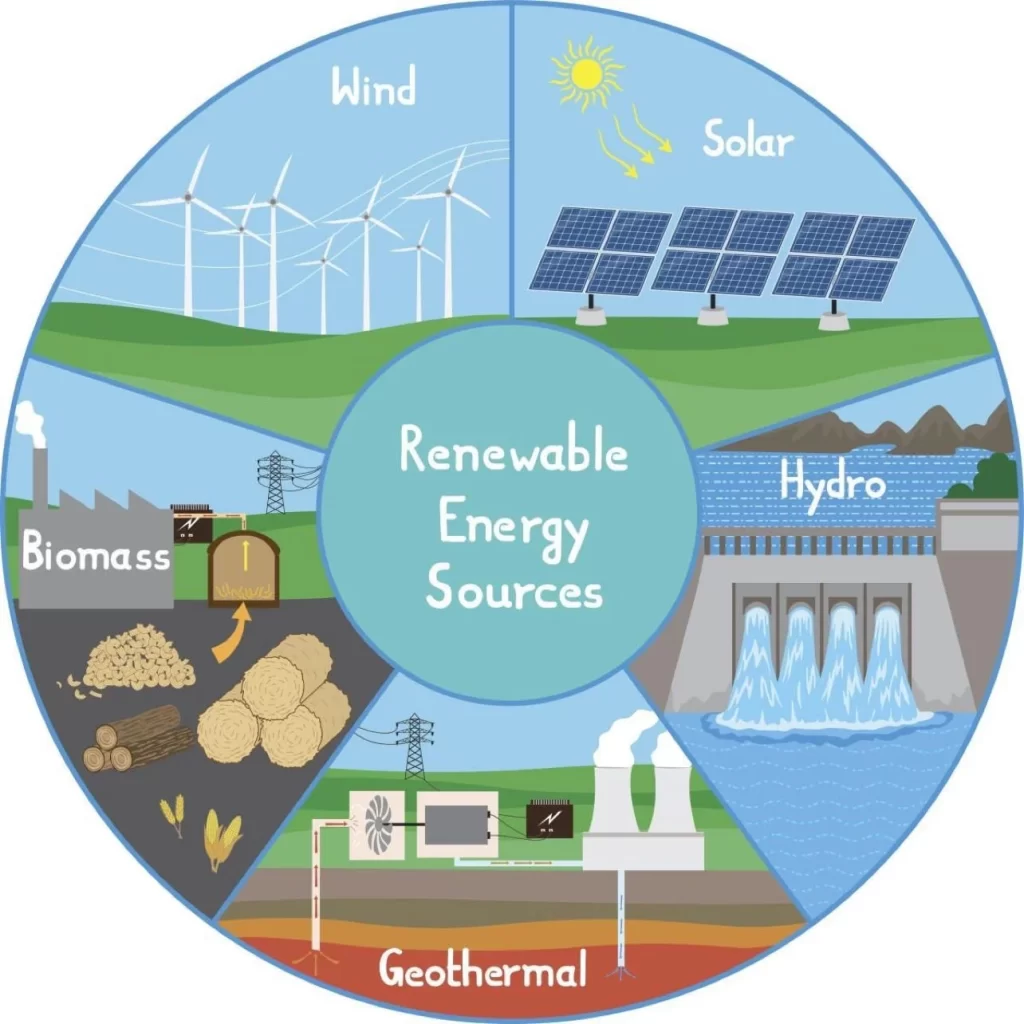
118. Renewable energy transition: Should governments prioritize transitioning to 100% renewable energy?
119. Social media and mental health: Does excessive social media use contribute to mental health issues?
120. Parental consent for cosmetic surgery: Should parental consent be required for individuals under 18 to undergo cosmetic surgery?
121. Climate change education: Should climate change education be mandatory in schools?
122. Social media and self-esteem: Does social media negatively impact self-esteem?
123. Nuclear power: Should nuclear power be expanded as a clean energy source?
124. Public smoking: Should smoking be banned in all public places?
125. Space exploration and colonization: Should humans establish permanent colonies on other planets?
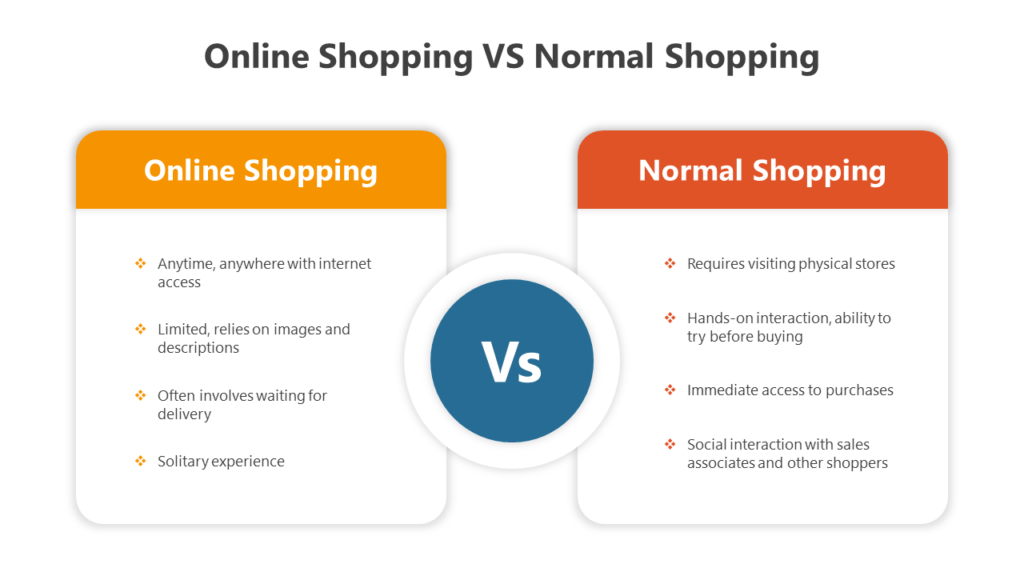
126. Online shopping: Is online shopping better than traditional shopping?
127. Universal healthcare: Should healthcare be free for all citizens?
128. Genetically modified food labelling: Should genetically modified foods be labelled?
129. Social media and privacy: Is privacy compromised by social media platforms?
130. Legalizing same-sex marriage: Should same-sex marriage be legalized worldwide?
131. Reality television: Does reality TV accurately represent reality?
132. Internet censorship: Should governments have the authority to censor the internet?
133. Video games and violence: Do violent video games contribute to real-world aggression?
134. Cultural diversity in the workplace: Is cultural diversity important in the workplace?
135. Mandatory military service: Should military service be mandatory for all citizens?
136. Renewable energy incentives: Should governments provide financial incentives for renewable energy adoption?
137. Animal conservation: Should more resources be allocated to protect endangered species?
138. Artificial intelligence in healthcare: Should AI play a significant role in diagnosing and treating medical conditions?
139. Music censorship: Should explicit lyrics be censored in music?
140. Social media and political activism: Does social media enhance or hinder political activism?
141. Cosmetic surgery: Should cosmetic surgery be available to all individuals?
142. Robotics and automation: Are robots and automation beneficial to society?
143. Public art funding: Should governments allocate funds for public art installations?
144. Immigration policies: Should countries have stricter immigration policies?
145. Internet neutrality: Should internet service providers be allowed to prioritize certain content over others?
146. Mental health support in schools: Should schools provide more resources for mental health support?
147. Ethical consumption: Is it important to support ethically produced goods?
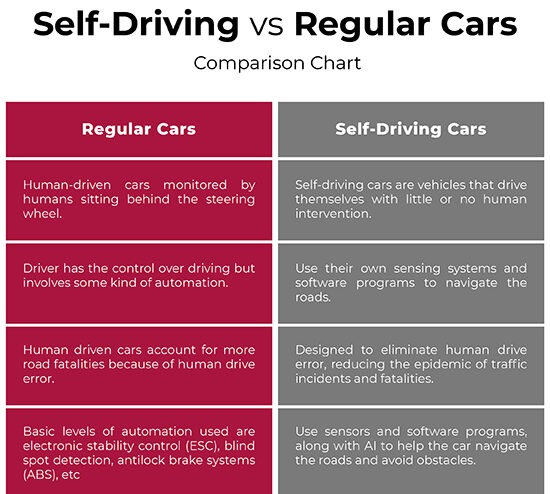
148. Driverless cars: Are driverless cars safer than human-driven cars?
149. Animal testing for medical research: Is animal testing necessary for medical advancements?
150. Internet access as a human right: Should internet access be considered a basic human right?
151. Space exploration and funding: Should governments invest more in space exploration or other pressing global issues?
152. Universal basic income: Should governments provide a guaranteed income to all citizens?
153. Capital punishment: Should the death penalty be abolished worldwide?
154. Social media and cyberbullying: Does social media contribute to cyberbullying?
155. Genetic privacy: Should individuals have control over their genetic information?
156. Nuclear disarmament: Should countries disarm their nuclear weapons?
157. Privacy rights in the digital age: Should individuals have the right to be forgotten online?
158. Sustainable transportation: Should governments prioritize investment in public transportation and cycling infrastructure?
159. Renewable energy versus fossil fuels: Should governments phase out fossil fuel subsidies in favor of renewable energy?
160. Internet piracy: Should stricter measures be taken against internet piracy?
161. Animal agriculture and environmental impact: Does animal agriculture contribute to environmental degradation?
162. Public surveillance: Should there be more surveillance cameras in public spaces for safety purposes?
163. Poverty alleviation: What are the most effective ways to alleviate poverty?
164. Genetic engineering and designer babies: Should parents be allowed to genetically modify their unborn children?
165. Space exploration and international cooperation: Should space exploration be a collaborative effort among countries?
166. Ethical implications of AI: What ethical considerations should be taken into account in the development of artificial intelligence?
167. Renewable energy education: Should renewable energy education be incorporated into school curricula?
168. Music streaming platforms: Do music streaming platforms fairly compensate artists?
169. Climate change adaptation: How should countries adapt to the challenges posed by climate change?
170. Social media and political polarization: Does social media contribute to political polarization?
171. Freedom of the press: Should there be limitations on freedom of the press?
172. Fast fashion: Does fast fashion have a negative impact on the environment and labor rights?
173. Space exploration and resource exploitation: Should resources found in space be exploited for economic gain?
174. Universal basic healthcare: Should healthcare be provided universally and free of charge?
175. Renewable energy research and development: Should governments invest more in renewable energy research and development?
176. Social media and fake news: How can the spread of fake news on social media be addressed?
177. Animal rights in entertainment: Should animals be used for entertainment purposes, such as circuses and rodeos?
178. Nuclear energy and safety concerns: What measures should be taken to ensure the safety of nuclear power plants?
179. Genetic privacy and discrimination: How can genetic privacy be protected to prevent discrimination?
180. E-waste management: How can the issue of electronic waste be effectively addressed?